WILD CAUGHT Evelyn’s Cory – A Seldom-Imported Corydoras from the Upper Solimões
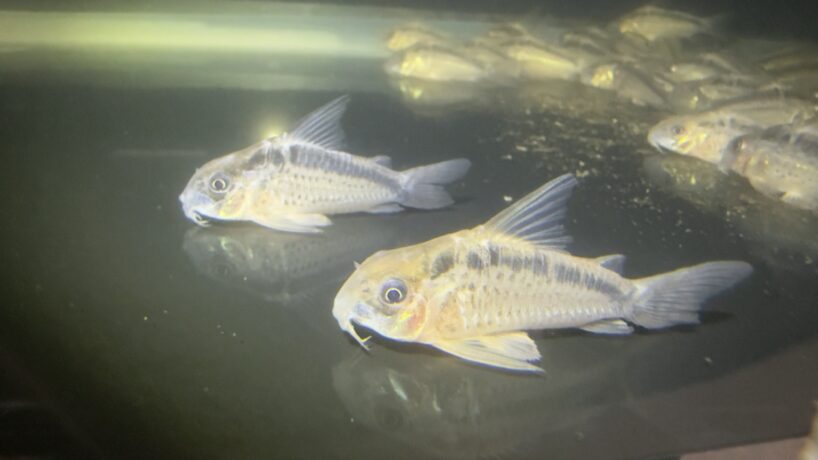
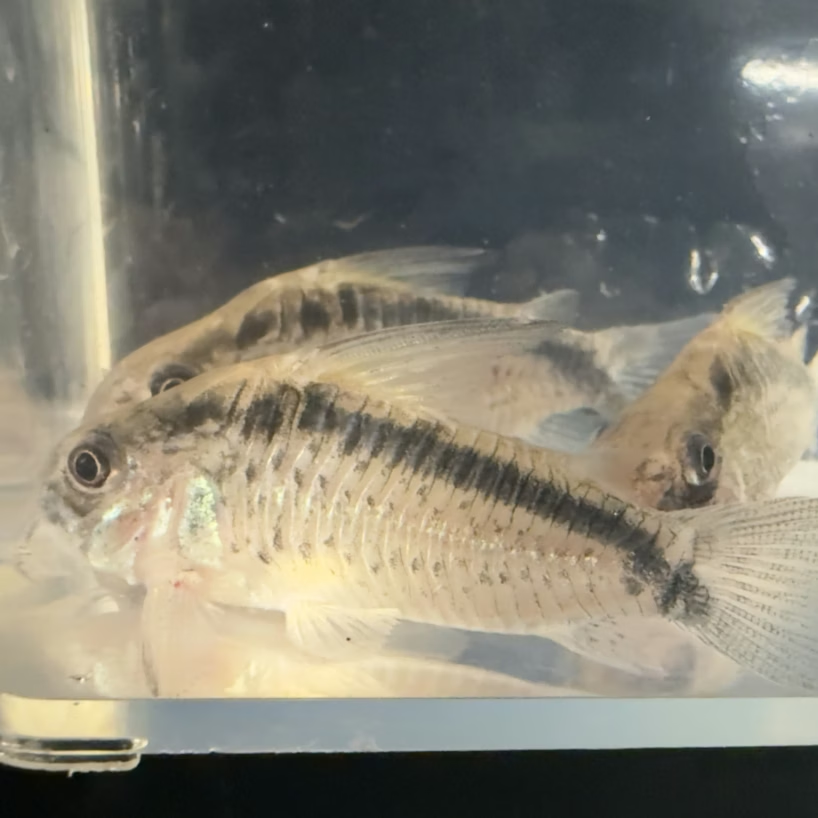
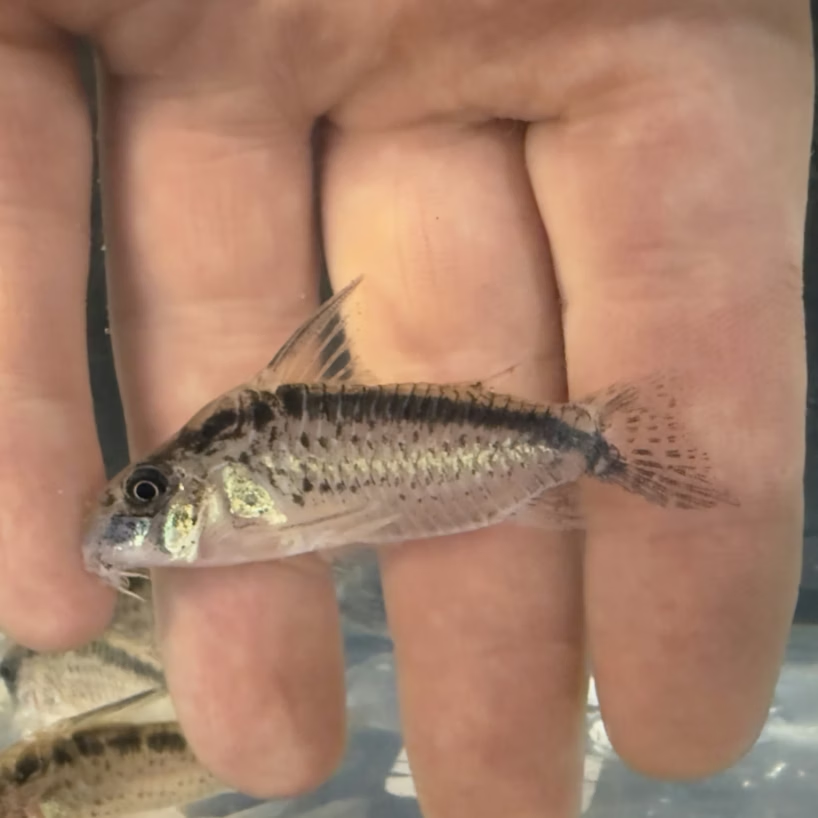
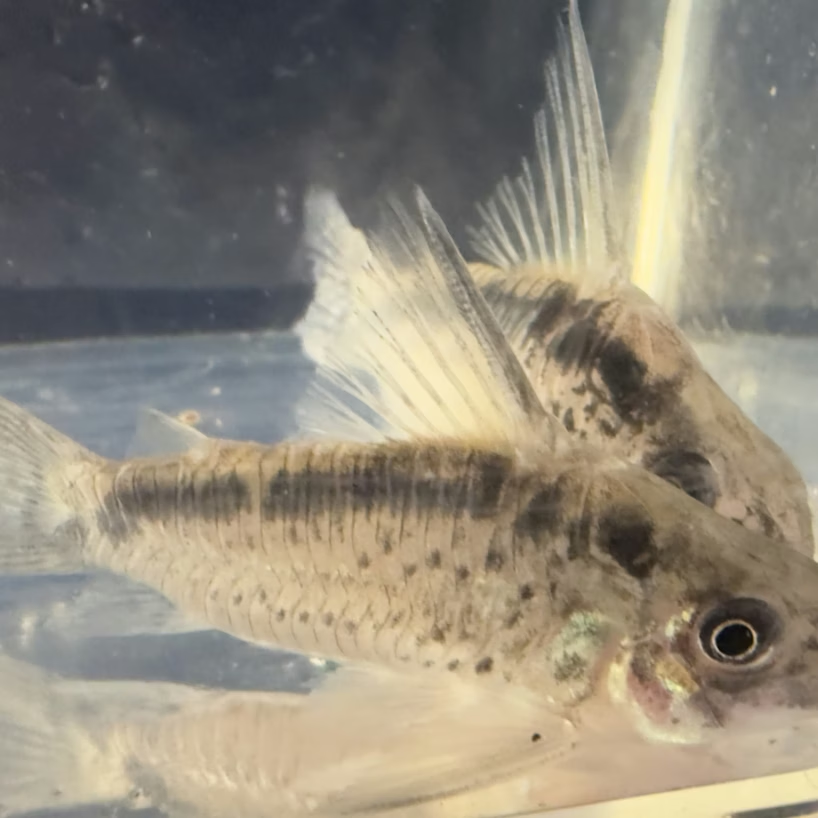
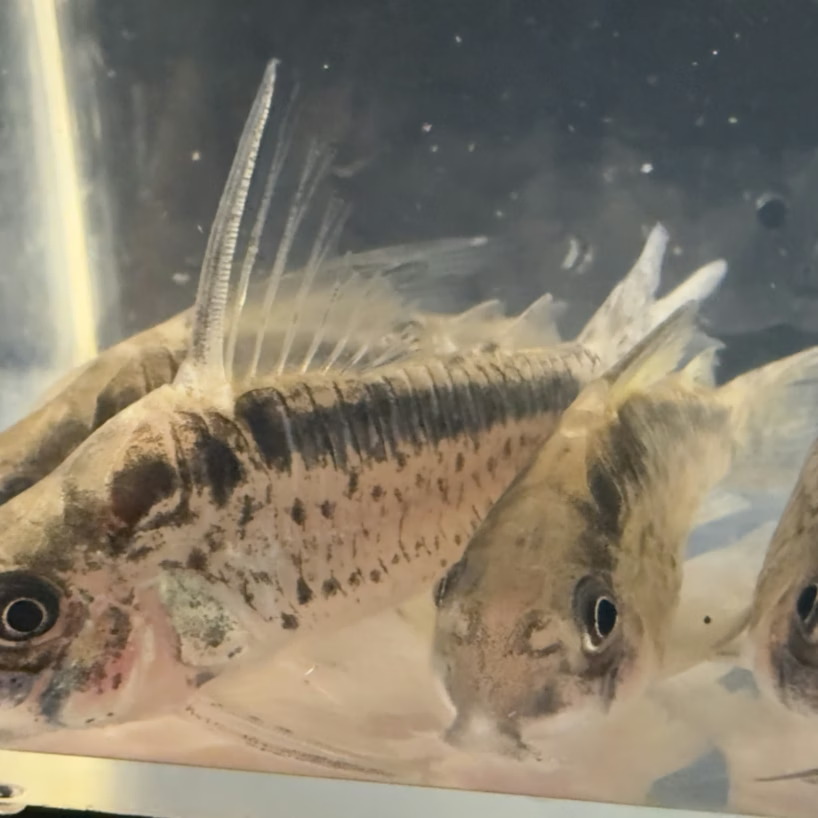
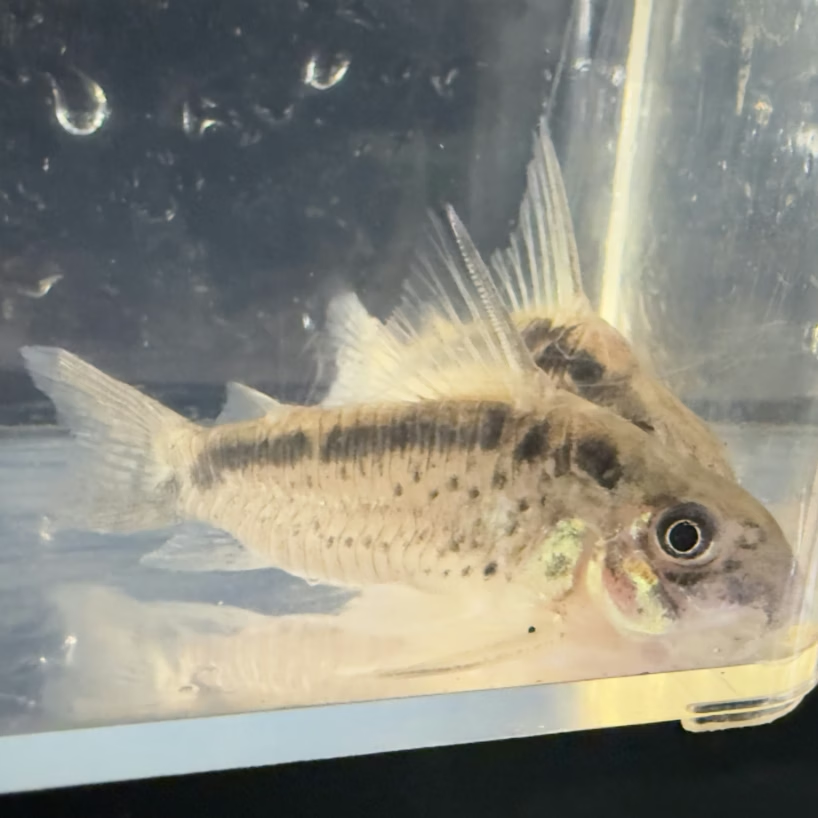
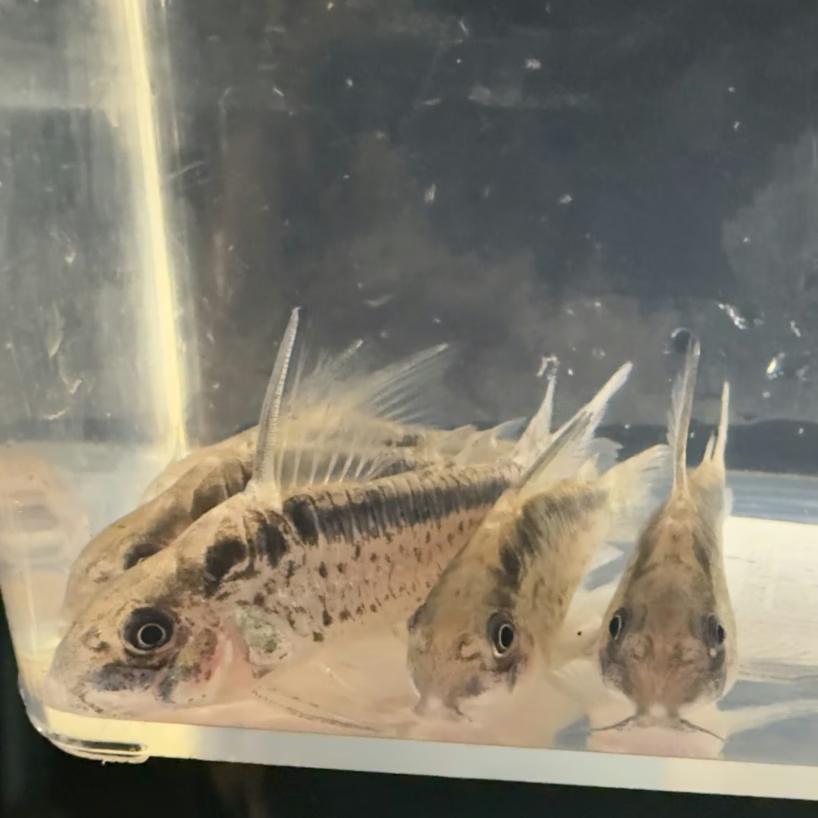
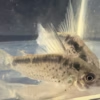
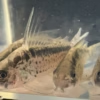
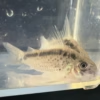
For aquarists building a serious Corydoras collection, the Evelyn’s Cory (Corydoras evelynae) is one of the genus’s genuine rarities. Described by Rössel in 1963 and today placed in the genus Hoplisoma, it comes from the upper Solimões – the stretch of the Amazon running through Colombia and western Brazil – and reaches the hobby only in small, irregular wild imports. A bold dark band runs the length of the flank from the gill plate to the base of the tail, meeting a dark saddle beneath the dorsal fin, while fine rows of spots scatter across a pale golden body and carry on into a delicately barred caudal fin. Compact and sturdily built, it brings the same busy, peaceful character that makes corys such rewarding bottom dwellers – in a pattern most aquarists will never see offered for sale.
Evelyn’s Cory Key Features
-
Bold Lateral Band: A single dark stripe runs unbroken from behind the gill plate to the caudal base – the clearest field mark separating this species from the many similar spotted corys.
-
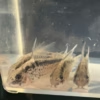
Large, Fully Grown Adults: These are mature fish at roughly two inches. Corydoras evelynae tops out near 4–5 cm, so this is full adult size for the species rather than an intermediate grade.
-
Genuine Wild Imports: Collected in the upper Solimões basin. Evelyn’s Cory is essentially never bred commercially, so every fish in the trade is a wild import.
-
Spotted Flanks and Barred Tail: Fine rows of dark spots cover the lower body and continue into the caudal fin, set against a warm gold-and-cream base with a metallic green sheen across the gill covers.
-
Peaceful Shoaling Catfish: Constantly active over the substrate and entirely non-aggressive. Keep six or more so they settle quickly and forage as a group rather than hiding.
Evelyn’s Cory Care Requirements
-
Tank Size: Minimum 20 gallons for a group of six, chosen for floor area rather than height – these are bottom dwellers and open substrate matters more than water volume.
-
Water Temperature: 72–79°F (22–26°C). Keep them at the cooler end of tropical; the high-80s temperatures used for discus are too warm for this species long term.
-
pH Range: 6.0–8.0. Wild fish come from soft, slightly acidic blackwater, but the species adapts well once settled and tolerates a wide hardness range of 2–25 dGH.
-
Diet: Omnivorous. Sinking pellets and wafers should form the base of the diet, supplemented with frozen bloodworms, daphnia and brine shrimp. They forage constantly along the bottom and compete poorly with mid-water fish, so feed after lights-out if faster tank mates take everything first.
-
Tank Mates: Excellent with peaceful community fish that share their water parameters – cardinal tetras, rummynose tetras, Apistogramma and angelfish are all reliable choices. Avoid large or boisterous cichlids that will outcompete them at feeding time.
Why Choose Our Evelyn’s Cory
Wild-caught corydoras arrive stressed after a long journey from the Amazon and need weeks of careful conditioning before they are stable enough to move on to a home aquarium. At Amazonia Tropical Fish LLC, our Evelyn’s Cory undergo a rigorous, multi-week quarantine process. They are prophylactically treated for internal and external parasites and are verified to be eating well before they are ever offered for sale. You are receiving premium, stabilized stock.
Shipping & Live Arrival Guarantee
We safely ship these wild-caught corydoras nationwide from our US-based facility using specialized, insulated packaging. Every order is fully covered by our Live Arrival Guarantee.
![WILD CAUGHT Apistogramma Tapiche [PAIR]](https://amazoniafish.com/wp-content/uploads/2025/10/img_7915-300x300.jpeg "screenshot-2")